
Optimizing images for news and media websites is crucial where visuals are key to capturing and retaining audience attention. However, poor image optimization can hinder SEO for news and media websites, leading to slower page loads, reduced user experience (UX), and lower rankings in search engine results pages (SERPs). This step-by-step guide addresses these issues by providing practical strategies, from leveraging tools like Google Search Console and PageSpeed Insights to implementing technical SEO best practices, such as Schema Markup and responsive design. We'll explore advanced topics like on-page optimization and content strategy, ensuring your images not only enhance user engagement but also boost your website's visibility and performance in and media websites.
- Understanding Image Optimization for News Sites
- Assessing Your Website's Image SEO Strategy
- Compressing Images for Faster Loading Times
- Optimizing Image File Formats for Web
- Filling Alt Text for SEO and Accessibility
- Using Relevant Keywords in Image Names
- Integrating Images for Engaging Storytelling
- Mastering Image Sizes for Different Devices
- Monitoring and Updating SEO Practices for Media
Understanding Image Optimization for News Sites
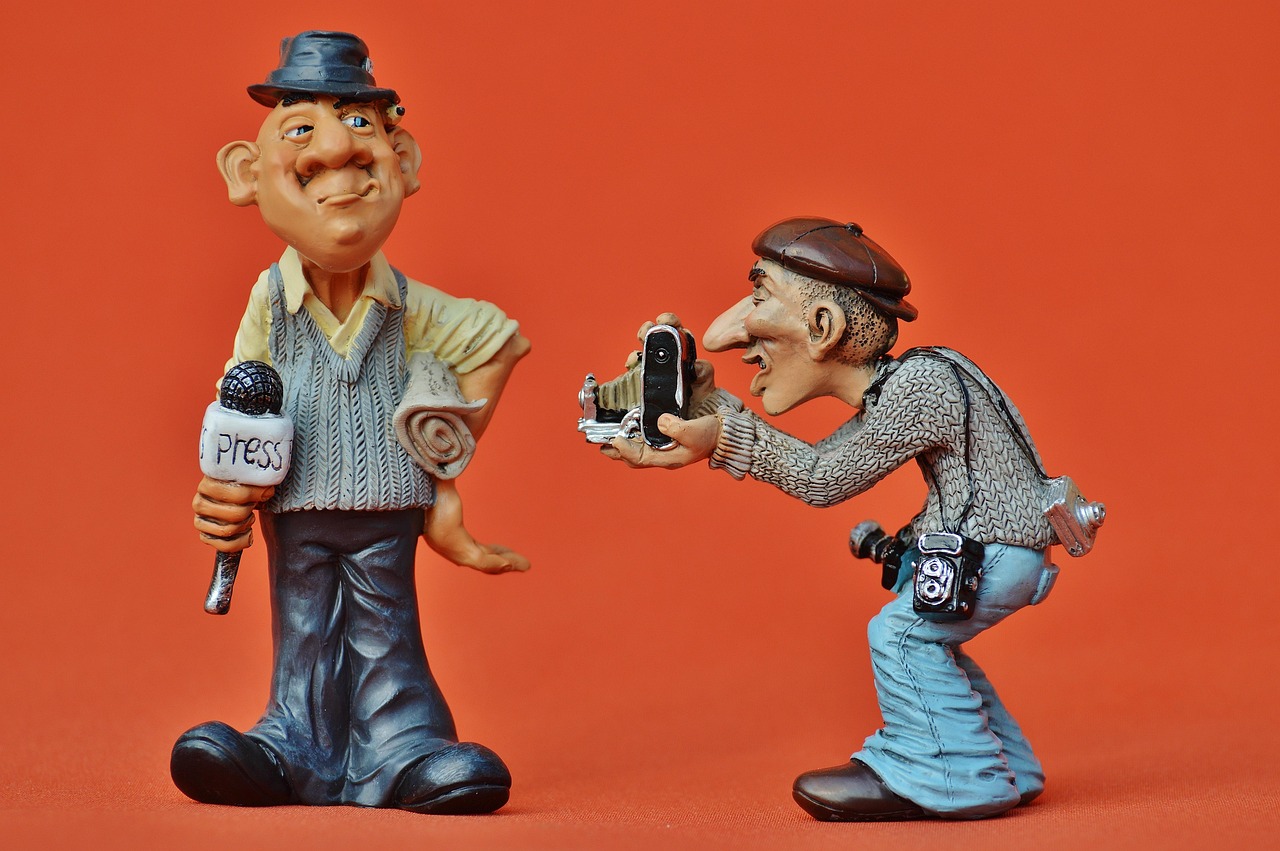
Optimizing images for news websites is a crucial yet often overlooked aspect of SEO for and media websites. In the fast-paced news cycle, where content is king, efficient and effective image optimization can significantly impact your site's visibility and engagement. For small media businesses with limited resources, cost-effective SEO for and media websites is not just possible but essential. By implementing strategic image optimization techniques, you can enhance user experience (UX), reduce page load times, and improve search engine rankings without breaking the bank.
For affordable SEO for news websites, the key lies in balancing quality and size. Images are a powerful tool to convey information and capture readers' attention, but large files can hinder site performance. Professional news website SEO packages often include image optimization as a core component. This involves using tools like Google Search Console and PageSpeed Insights to analyze and adjust image properties. Implementing Schema Markup for images can help search engines better understand the content, while ensuring your images are responsive and optimized for various devices and screen sizes.
Consider a news website with high-resolution images of protest scenes. Instead of hosting these images in their original format, a cost-effective strategy would be to resize and compress them while maintaining visual quality. Tools like SSL Certificates and optimized sitemaps can further ensure your images are securely delivered and easily crawlable by search engines. By adopting these practices, news sites can achieve a balance between providing rich, engaging content and maintaining a swift, seamless user experience, ultimately boosting their online presence.
Assessing Your Website's Image SEO Strategy

Assessing your website's image SEO strategy is a critical step in optimizing your news or media platform for search engines. This involves a thorough review of how images are currently performing and identifying areas for improvement. Begin by examining your Google Search Console to see how image-focused queries are performing. Look for keywords related to your content, such as "news articles" or "local media," to understand your current visibility in these searches. This data, along with insights from PageSpeed Insights, can help you gauge the speed at which your website loads images. Fast loading times are essential for both user experience and SEO, as Google prioritizes sites that provide a seamless browsing experience.
Next, consider the technical aspects of your image SEO. Ensure that all images have descriptive file names and alt tags that accurately represent the content. These tags are crucial for accessibility and SEO, as search engines rely on them to understand the context of images. Implement a well-structured sitemap to guide search engines through your media library, and use a robots.txt file to control how search engine crawlers access your image data. Securing your website with an SSL certificate enhances user trust and can positively impact your SEO.
When evaluating your website's image SEO, it's also beneficial to review the overall content strategy. Consider if your images are enhancing the user experience or merely decorative. High-quality, relevant images can significantly improve engagement and time spent on page, both of which are positive signals for search engines. Look into the reviews of news website SEO packages and tools to identify industry-specific solutions that can streamline your process. Top-rated packages often include image optimization as a core component, ensuring your website is optimized for local media and news audiences. Engaging with best local media SEO services can provide tailored guidance, ensuring your images are not only optimized but also aligned with your target audience and local search trends.
Compressing Images for Faster Loading Times

News websites in the competitive media industry need every advantage to engage and retain readers. One often-overlooked area of optimization is image compression, a crucial aspect of SEO for news and media websites. Images, while visually appealing, can significantly slow down page load times, impacting user experience (UX) and search engine rankings. A thorough media website SEO audit should always include an assessment of image loading performance.
To compress images effectively for emergency news website optimization, consider using tools like Google's PageSpeed Insights, which provides actionable suggestions for improving site speed. This tool can help identify large images that may be hindering page load times and offer recommendations for compression. JPEGs are commonly used for photos, but they can be compressed further without losing quality using advanced methods. Tools like TinyPNG or ImageOptim can reduce image sizes by 50% or more while maintaining acceptable visual quality.
When optimizing for a specific news site near me, remember that the goal is not just to reduce image sizes but also to preserve visual integrity. After compressing images, test them on the actual website to ensure they load quickly and display correctly. This process might require a bit of experimentation, but the benefits are clear: faster loading times lead to better UX and, in turn, can improve SEO rankings for news and media websites.
Optimizing Image File Formats for Web

For optimizing images for news and media websites, selecting the right file format is a crucial step in enhancing user experience and boosting your SEO. Experienced news SEO specialists often overlook this technical aspect, but it can significantly impact your site's performance. The media industry is highly competitive, and every second counts for engaging users and improving rankings.
A well-optimized image can reduce page load times, ensuring a smooth user experience, which is a key factor in Google's ranking algorithms. Start by converting your images to modern, lossless formats like WebP or JPEG 2000. These formats offer superior compression without sacrificing image quality, which is essential for retaining the visual impact of your content. Avoid using outdated formats like JPEG or GIF, which can result in larger file sizes and slower loading times.
Consider using the right encoding for each format. For WebP, use lossless compression for photos and lossy compression for graphics to achieve the best results. This fine-tuning ensures that your images are optimized for both quality and file size. Regularly conduct an SEO audit of your media assets to identify high-resolution images that might be impacting your site's performance. By implementing these practices, you'll not only improve the speed and efficiency of your news and media website but also enhance your SEO strategy, keeping your site ahead in the competitive digital landscape.
Filling Alt Text for SEO and Accessibility

Filling alt text is a critical yet often overlooked aspect of SEO for news and media websites. Alt text, or alternative text, serves as a descriptive label for an image, providing context to both search engines and users who may have visual impairments. For niche news SEO strategies, this simple yet powerful tool can significantly enhance accessibility and boost your site's search rankings. When optimized effectively, alt text helps search engines understand the content of your images, allowing them to index your images and consider them relevant to specific queries.
Consider a local news site focusing on community events. Filling alt text for an image of a bustling farmers' market not only describes the scene but also incorporates relevant keywords like "farmers' market," "local produce," and "community event." This not only aids in local SEO, helping nearby readers discover the site, but also ensures that individuals using screen readers can access this information. For cost-effective SEO for small media businesses, prioritizing alt text is one of the easiest and quickest wins. It requires no technical expertise and can be done in-house, making it an accessible strategy for any news organization.
When writing alt text, keep it concise, accurate, and keyword-rich. Aim for 125 characters or less to maintain readability while still packing in relevant terms. For a photo of a breaking news conference, alt text might read, "Newspaper reporter interviewing politician at press conference." This provides context without overwhelming the reader or search engine. Remember, the goal is to accurately represent the image while also contributing to better SEO and accessibility for your audience, regardless of where they are located or how they consume your content.
Using Relevant Keywords in Image Names

When optimizing images for news websites, employing relevant keywords in image names is a powerful SEO strategy that often gets overlooked. This simple yet effective technique can significantly improve your site's discoverability and user experience, especially in the competitive landscape of and media websites. Think of it as a map for search engines, guiding them directly to your content. Instead of using a generic name like "image1.jpg," consider "2023-10-05-world-leaders-summit-press-conference.jpg." This practice ensures that search engines understand the context of your images and can index them appropriately.
The benefits of this approach are multifaceted. Firstly, it enhances the user experience by making it easier for readers to find and engage with relevant content. When someone searches for a specific event or topic, images with descriptive names that include relevant keywords can appear in search results, increasing the likelihood of clicks. This, in turn, can lower bounce rates and elevate your site's position in search engine rankings. Secondly, it contributes to effective on-page SEO for news websites. By incorporating keywords naturally, you can improve the relevance of your pages to specific queries, making your site more attractive to nearby news site optimization experts and licensed SEO consultants for media companies.
To implement this strategy effectively, start by conducting keyword research to identify the terms your target audience uses when searching for news content related to your niche. Once you've identified these keywords, ensure they appear in your image names, file paths, and alt tags. Remember, alt tags are critical because they provide text alternatives for images, improving accessibility and further enhancing SEO. If you're optimizing an image of a protest sign reading "Climate Justice Now," your alt tag should include these keywords, e.g., "Climate Justice Protest Sign." Trusted SEO services for online news can offer valuable guidance and tools to streamline this process. By consistently using relevant keywords in your image names, you can take a significant step towards optimizing your news website for search engines and better serving your audience.
Integrating Images for Engaging Storytelling

Integrating high-quality images into news storytelling is a powerful way to enhance user engagement and optimize SEO for news and media websites. In the fast-paced media industry, where breaking news and timely content reign supreme, same-day SEO for news articles can significantly impact visibility. By strategically incorporating visuals, you not only capture the attention of readers but also provide a critical component for search engine algorithms to better understand and index your content.
When optimizing images for news websites, consider these key steps. First, perform a thorough media SEO audit to identify areas for improvement. Check the alt text of each image; it should be descriptive, unique, and include relevant keywords. " Ensure all images are optimized for web with appropriate file formats (JPEG, PNG) and sizes, compressing them without losing quality. Next, leverage Schema Markup to provide search engines with structured data about your content, including images and their metadata. This structured data can improve rich snippet displays, drawing more users into your articles.
Consider the unique SEO strategies for niche news websites. Different topics and audiences may require tailored image optimization techniques. A tech news site might focus on optimizing images of new gadgets, while a local news site may prioritize community event photos. Incorporating these visuals in a balanced manner throughout the article, along with relevant captions and internal linking, will not only enhance the user experience but also signal to search engines the quality and relevance of your content. Remember, in the media industry, timely and engaging content is king, and effective image integration plays a pivotal role in achieving that.
Mastering Image Sizes for Different Devices

Optimizing images for different devices is a crucial step in enhancing the user experience (UX) and SEO for news and media websites. Given the variety of screen sizes and resolutions, ensuring your images are properly sized and optimized is essential for a seamless viewing experience. A news site visitor on a smartphone will have a vastly different experience from someone viewing the same content on a high-resolution desktop monitor.
The first step is to create multiple versions of each image, each tailored to a specific device type. This process, known as responsive imaging, involves serving the appropriate image based on the device's screen size and resolution. For small screens, like smartphones, images should be optimized for faster loading times with dimensions that fit the screen without distortion. On the other hand, for larger screens, high-resolution images that showcase detail are crucial for engaging readers.
Google Search Console, a valuable tool for any news and media website, can help you monitor and optimize image performance. By analyzing user interactions with your images, you can identify which formats and sizes resonate best with your audience. This data-driven approach allows for making informed decisions about image optimization, ensuring your website is providing the best possible experience for users across all devices, thereby enhancing both UX and reliable SEO for online publications.
For cost-effective SEO for small media businesses, this strategy is particularly beneficial as it leverages existing assets without requiring significant additional investment. By focusing on image optimization, you can improve page speed, reduce bounce rates, and boost engagement metrics, all key factors in local news site SEO help. Remember, a well-optimized image can significantly enhance the overall user experience, making your website more competitive in search engine rankings and attracting a wider audience.
Monitoring and Updating SEO Practices for Media

Monitoring and updating SEO practices is a crucial yet often overlooked aspect of running a successful news website. In the fast-paced world of digital media, where content is king, optimizing images plays a pivotal role in enhancing user experience and boosting search engine rankings.
For news and media websites, this means ensuring images are not only visually appealing but also optimized for the web. Start by using tools like PageSpeed Insights to analyze your site's performance and identify areas for improvement. Compressing images without sacrificing quality can reduce file sizes, leading to faster loading times. Implement responsive design techniques to ensure images adapt to different screen sizes, providing a seamless user experience across devices. Remember, a well-optimized image is not just about aesthetics; it's about making your content accessible and engaging to a wider audience.
Affordable SEO for news websites doesn't have to be a luxury. Many professional news sites achieve top rankings without breaking the bank. Focus on implementing basic yet effective strategies such as adding alt tags to images, which provide alternative text for visually impaired users and offer an extra layer of relevant keywords for search engines. Creating a comprehensive sitemap and ensuring a well-structured robots.txt file can improve crawl efficiency and, consequently, SEO. These foundational steps, when combined with regular updates and an eye for detail, can transform your site's online presence.
Staying ahead in the digital landscape requires continuous learning and adaptation. Consider professional news website SEO packages as a means to gain expertise and streamline the process, but remember, the most successful strategies are those tailored to your specific content and audience. Regularly review your SEO performance using tools like Google Analytics and Instant Analytics to identify trends and areas for improvement. By embracing a data-driven approach, you can make informed decisions that drive better results, ensuring your news website remains competitive and relevant in the changing media landscape.
By implementing these steps, from understanding the fundamentals of image optimization to mastering alt text and integrating visuals for storytelling, you've now equipped yourself with a powerful toolkit to elevate the SEO for news and media websites. The key takeaways are clear: compressing images, choosing the right file formats, and optimizing for various devices significantly impact page speed and user experience, directly influencing your website's ranking potential.
Next steps include regularly auditing your image SEO strategy using tools like Google Search Console and PageSpeed Insights, staying updated on best practices, and continually refining your image metadata. Remember, each image is an opportunity to engage and inform your audience, while also optimizing for search engines. The practical applications are vast, from enhancing accessibility for all users to boosting your website's discoverability in competitive media landscapes.
This guide underscores the importance of a well-executed image optimization strategy in achieving top rankings for news and media websites, ensuring your content is not only visually compelling but also search engine-friendly.
Optimizing images for news and media websites is vital for SEO and user experience. Key strategies include:
- Balancing quality and size: Implement efficient image compression and resizing.
- Using tools: Analyze and adjust images with Google Search Console, PageSpeed Insights, Schema Markup, SSL Certificates, and optimized sitemaps.
- Assessing image SEO: Examine image performance, file names, alt tags, sitemaps, and robots.txt.
- Keyword optimization: Incorporate relevant keywords naturally in image names, file paths, and alt tags.
- Responsive imaging: Create multiple image versions for different devices to enhance UX.
- Regular monitoring: Use analytics tools to track SEO performance and update strategies accordingly.
These steps help boost search engine rankings, engage users, and enhance online visibility without breaking the bank.